It is Important to Understand How We React to What We Eat
Obesity is defined as storage of energy in fat due to eating very often and increasing food intake. Based on Nutrition and Health 2010 Reports in Turkey, prevalence of obesity is around 30% in both male and female of general population. Moreover, 19% of obese group has diabetes. These numbers tend to increase when there are not any social precautions and doing scientific researches against obesity and diabetes, thus outcomes and reasons behind these disorders have to be elucidated.
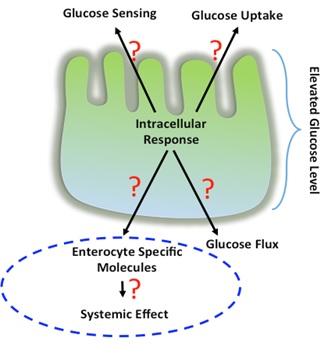
The first border gate of body in mammals is intestine, more specifically epithelial cells of small intestine: the enterocyte cells. Furthermore, intestine is only organ that has its own neuron system after the brain so it is called the second brain of body. The enterocytes are exposed to nutrients all day long and they have the ability to sense the levels or type of the nutrients. Metabolic diseases affect this nutrient sensing phenomena of the intestine and inefficiency in nutrient sensing might lead to metabolic diseases. During obesity, people consume more food than non-obese people and in most calories come from carbohydrates, more specifically glucose, in our dietary culture. Glucose is one of the nutritional factors that involves in occurrence and development of the obesity and type two diabetes in human.
Our current research focuses on how high glucose intake affects the molecular mechanisms in enterocyte cells.
This project was funded by The Scientific and Technological Research Council of Turkey (TUBITAK)